Is a tropical storm or hurricane approaching Louisiana? Are you wondering where your boat should go before conditions worsen?
Start early. A boat is easier to move, clean, and secure when the weather is calm. This hurricane-season checklist will help you prepare your boat and trailer for outdoor storage in Monroe and Northeast Louisiana.
First, remember this important point: no storage facility can guarantee protection from hurricanes, tornadoes, flooding, falling trees, or other severe weather. Your boat’s manufacturer instructions, insurance requirements, marina rules, and local emergency guidance should always come first.
1. Monitor the Weather and Make a Plan Early
Do not wait for a hurricane warning to begin preparing.
Monitor reliable updates from the National Hurricane Center’s marine guidance, local emergency officials, and your marina or storage provider.
As you make your plan:
- Track the storm’s projected path, wind, rainfall, and flooding risk.
- Check whether your marina has a hurricane or storm plan.
- Ask when the marina will close or require boats to move.
- Review local evacuation orders and road restrictions.
- Check bridge closures, construction, flooding, and route conditions.
- Confirm your tow vehicle can safely move the loaded trailer.
- Plan to finish preparations before tropical-storm-force winds arrive.
If your boat is stored near the coast or at a marina, moving it inland may reduce exposure to storm surge and wave action. Louisiana Sea Grant also recommends getting trailerable boats out of the water and moving them to higher ground when possible. Read its boat hurricane-preparation guidance for additional planning information.
Never put yourself in danger to save a boat. If conditions are deteriorating, stop and leave. Boats can be repaired or replaced. Your safety comes first!
2. Clean and Dry the Boat Completely
Moisture creates problems even without a hurricane. It can lead to mildew, mold, corrosion, odors, and pest activity.
Before placing your boat in outdoor boat storage:
- Rinse the hull, deck, trailer, and hardware with fresh water.
- Remove mud, algae, plant material, and road grime.
- Empty coolers, live wells, fish boxes, and compartments.
- Remove trash, bait, food, and drinks.
- Drain the bilge and plumbing systems as directed.
- Wipe away standing water.
- Open hatches and compartments until everything is dry.
Do not cover a damp boat. Give enclosed areas extra time to air out. Louisiana’s heat and humidity can trap moisture under a cover quickly.

3. Remove Valuables and Loose Gear
Strong wind can turn loose items into dangerous projectiles. It can also damage or carry away valuable equipment.
Remove these items from the boat:
- Fish finders and portable electronics.
- GPS units and removable navigation equipment.
- Fishing rods, tackle, and tools.
- Coolers and portable fuel containers.
- Cushions, linens, and personal items.
- Registration papers and insurance documents.
- Emergency supplies and valuables.
- Paddleboards, inflatables, and removable accessories.
Lower or remove antennas, light poles, canvas tops, bimini frames, and other equipment that can catch wind. Follow the manufacturer’s instructions when removing accessories.
Store documents and electronics in a safe, dry location. If you need additional protected space for boat gear, ask about a self-storage unit for items that should not remain outside.
4. Secure Hatches, Compartments, and Covers
Inspect every hatch, locker, door, and compartment. Close and secure them before leaving the boat.
Check that:
- Hatches latch fully.
- Compartment doors do not swing open.
- Drainage openings are clear.
- Windows and vents are closed as directed.
- The engine and fuel areas are protected.
- Loose straps and buckles are secured.
For outdoor boat storage, use a properly fitted, breathable cover designed for your boat. Secure it with strong straps. Add support so rainwater does not pool.
A cover can help reduce sun, rain, and debris exposure. However, a loose cover can become a sail during high winds. If you cannot secure it properly, follow your boat manufacturer’s storm instructions and consider removing it.
5. Inspect the Boat Trailer Carefully
A storm plan is only as strong as your trailer. A flat tire, damaged bearing, or faulty light can prevent you from moving the boat safely.
Inspect the following:
- Tires for cracks, bulges, dry rot, or uneven wear.
- Tire pressure according to the manufacturer’s specifications.
- Spare tire and valve stem.
- Wheel bearings for looseness, noise, or damage.
- Trailer frame, axle, bunks, and rollers.
- Winch strap and bow eye.
- Coupler and hitch.
- Safety chains.
- Brake system.
- Wiring and lights.
- Tie-down straps.
Grease the bearings according to the trailer manufacturer’s instructions. Replace damaged or aging components before storm season. Do not assume a trailer is ready simply because it moved safely last year.

When you park the trailer, choose firm, level ground. Use wheel chocks. Leave enough room to inspect the boat and connect your tow vehicle later.
For severe weather, follow your boat manufacturer’s and insurer’s recommendations for additional blocking or anchoring. Do not improvise a tie-down system that could damage the hull or trailer.
6. Manage Fuel and Batteries
Fuel and batteries require special care during extended storage.
For fuel:
- Check for leaks or damaged fuel lines.
- Inspect the fuel cap, vents, and connections.
- Add marine fuel stabilizer if recommended.
- Follow the stabilizer’s directions carefully.
- Run treated fuel through the system only as directed by the manufacturer.
- Follow the owner’s manual for extended storage or engine lay-up.
For batteries:
- Inspect terminals for corrosion.
- Check battery condition and charge.
- Disconnect or remove batteries when appropriate.
- Store removed batteries in a cool, dry, ventilated location.
- Use a compatible maintainer only when approved and safely permitted.
Your boat may depend on a battery for an automatic bilge pump. Follow the manufacturer’s instructions before disconnecting power. If the boat will be completely shut down, confirm that your plan does not leave an active system without power.
Never leave charging equipment unattended unless it is designed and approved for that use. Also follow the storage facility’s rules for fuel, batteries, and hazardous materials.
7. Protect Against Pests and Moisture
Pests look for food, shelter, and moisture. Remove every food source before storage.
Then:
- Vacuum crumbs and debris.
- Dry all compartments.
- Use moisture absorbers where appropriate.
- Keep ventilation paths open.
- Inspect for holes or gaps.
- Avoid trapping damp air under plastic.
- Follow safe pest-control practices.
Do not place unsafe chemicals or loose pest-control products where they could harm people, pets, or other customers. Always follow product labels and facility rules.
8. Take Photos and Update Your Records
Document your boat before the storm and before storage.
Take clear, dated photos of:
- The full exterior.
- Hull and deck.
- Engine and propeller.
- Trailer tires and wheels.
- Coupler, hitch, and safety chains.
- Tie-downs and cover.
- Interior compartments.
- Existing scratches or damage.
Create an inventory of electronics, accessories, and equipment removed from the boat. Keep copies of your title, registration, insurance policy, and maintenance records at home.
Photos can help you identify new damage after the storm. They may also support an insurance claim. Review your policy before hurricane season so you understand your responsibilities and coverage.
9. Choose a Secure, Accessible Storage Location
Dedicated boat storage can help you reclaim your driveway and yard. It can also reduce neighborhood or HOA parking concerns.
A boat stored at home may block vehicles, limit guest parking, or create difficult turns. Some neighborhoods and homeowners associations also have rules about long-term boat and trailer parking.
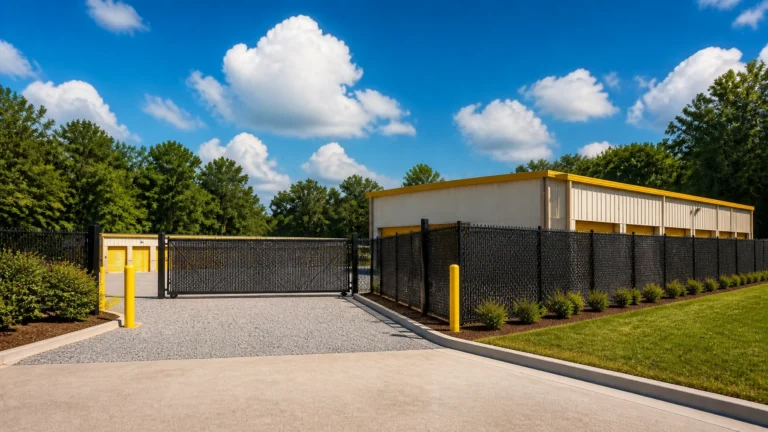
When comparing boat storage Monroe facilities, look for:
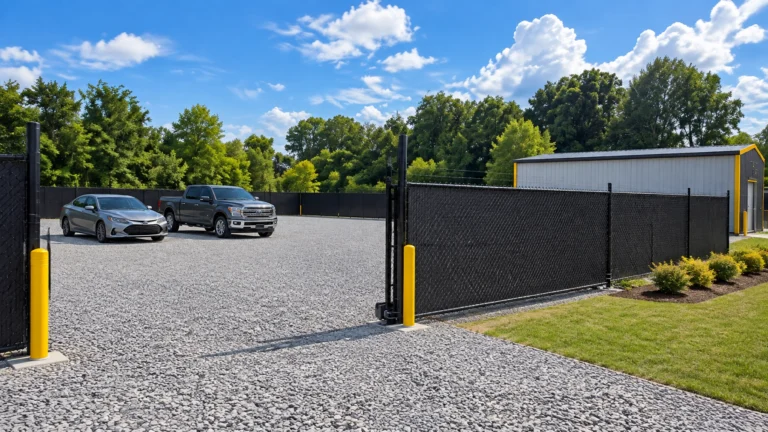
- Secure perimeter fencing.
- Gated access.
- Video surveillance, if offered.
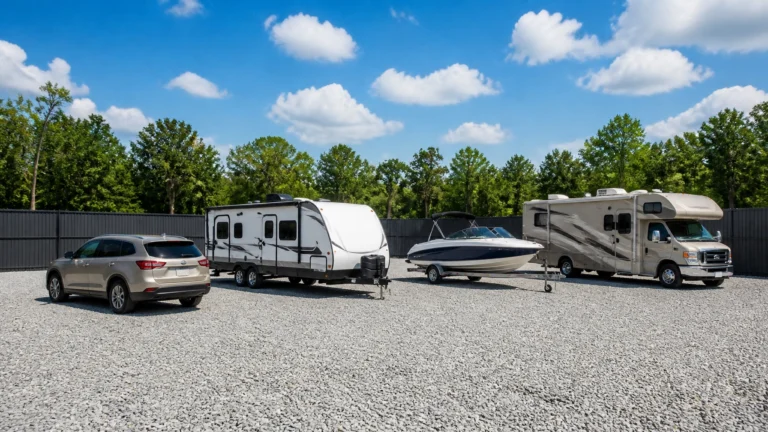
- Open-air spaces that fit your boat and trailer.
- Wide lanes and room to maneuver.
- Good lot conditions and drainage.
- Convenient access hours.
- Flexible month-to-month leasing.
- Clear rules for covers, maintenance, and inspections.
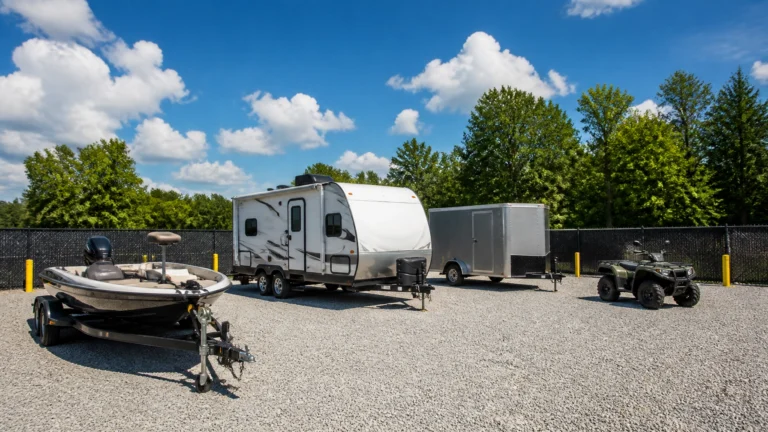
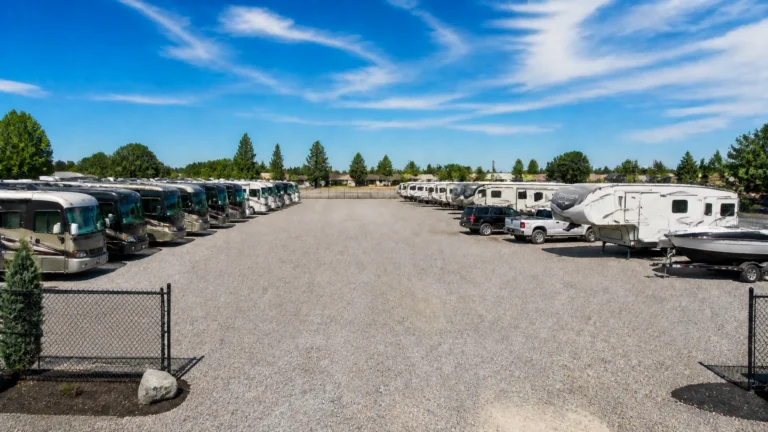
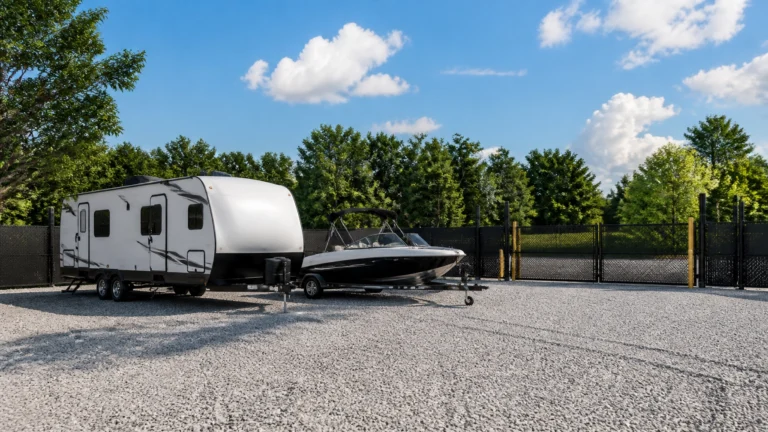
NorthStar Storage Group offers open-air outdoor boat and vehicle storage in Monroe. We do not offer covered or climate-controlled boat storage. Outdoor storage can be a practical solution, but you must prepare your boat for sun, rain, heat, humidity, wind, and severe weather.
Our location is:
NorthStar Storage Group
100 Martinez Dr.
Monroe, LA 71203
Learn more about boat storage in Monroe or review our guide to RV and boat storage features.
10. Schedule a Post-Storm Inspection
Wait until local officials say it is safe to travel. Do not enter the property during active severe weather.
After the storm:
- Inspect the area for downed power lines, flooding, debris, and unstable trees.
- Check the cover for tears, loose straps, or pooled water.
- Look for standing water inside the boat.
- Inspect the hull, engine, trailer, tires, and tie-downs.
- Photograph any damage before moving items.
- Contact your insurer if needed.
- Document repair costs and storm-related expenses.
- Remove damaged materials only when it is safe.
- Schedule professional repairs for electrical, fuel, engine, or structural concerns.
Do not tow the boat until the trailer, tires, bearings, lights, hitch, and brakes are safe.
Prepare Early and Store with More Confidence
Hurricane boat storage starts with a plan. Monitor weather updates. Check your route and marina conditions. Clean and dry the boat. Remove valuables. Secure the cover and hatches. Inspect the trailer. Manage fuel and batteries. Document everything.
NorthStar Storage Group is here to help you find convenient boat trailer storage, outdoor boat storage, and vehicle storage in Monroe and Northeast Louisiana.
Ready to clear your driveway before the next storm? Visit northstarstoragegroup.com, call (318) 433-4443, or contact our team today.
We are happy to answer your questions and help you explore a flexible month-to-month storage option at 100 Martinez Dr., Monroe, LA 71203!