Is your boat sitting in the driveway while the off-season passes by? Maybe your HOA has parking rules. Maybe your yard is crowded. Or perhaps you simply want to protect your boat before the next trip to the water.
A simple storage routine can help.
Use this practical checklist to prepare your boat and trailer for off-season storage in Monroe and Northeast Louisiana. Then choose a convenient location where you can access your boat when the next season begins!
Why Store Your Boat Off-Site?
Leaving a boat in your driveway or yard may feel convenient. It can also create ongoing problems.
Outdoor boat storage can help you:
- Reclaim driveway and yard space.
- Reduce neighborhood or HOA parking concerns.
- Keep your boat and trailer in a designated vehicle storage area.
- Avoid tight turns and crowded residential streets.
- Access your boat without moving other vehicles at home.
- Keep valuable recreational equipment in a controlled-access facility.
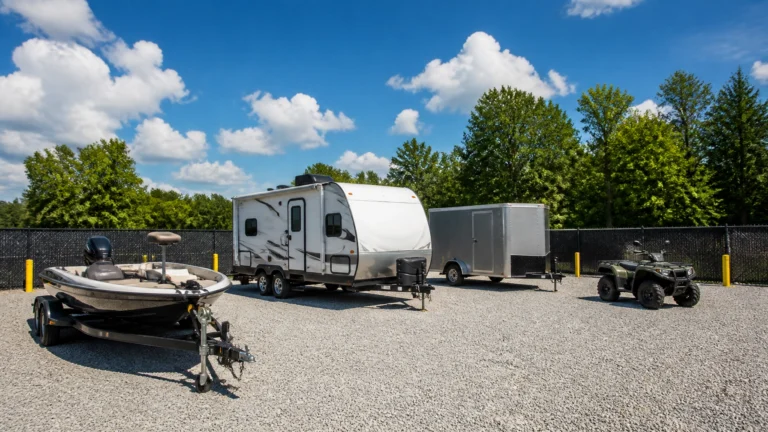
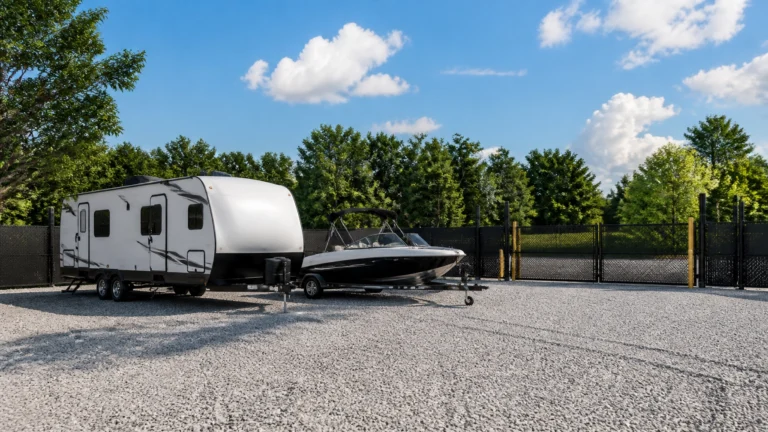
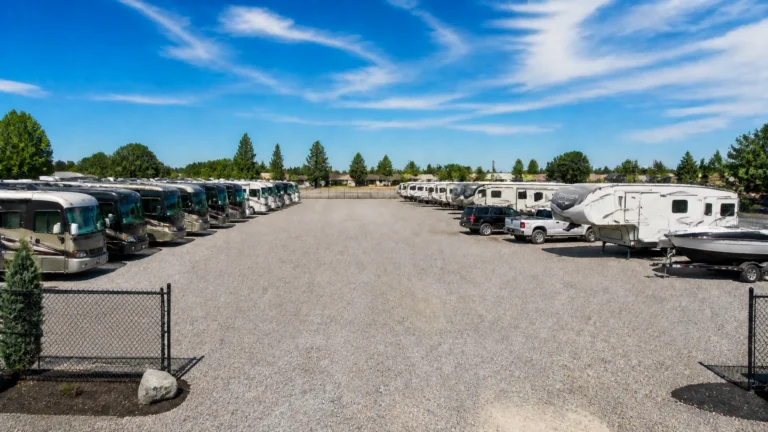
NorthStar Storage Group offers open-air outdoor boat and vehicle storage in Monroe. We do not offer covered or climate-controlled boat storage. That means preparation matters. A proper cover, routine check-ins, and good maintenance habits are essential.
Off-Season Boat Storage Checklist
1. Plan Your Storage Date
Start before the boat sits unused for weeks.
Choose a storage date based on your boating schedule, weather, and maintenance needs. Give yourself enough time to complete the checklist without rushing.
Before you arrive at the facility:
- Confirm your boat and trailer dimensions.
- Check that the storage space fits your full setup.
- Review access hours and facility rules.
- Ask where you may park or work on the boat.
- Confirm whether your trailer must remain attached or can be stored separately.
- Review your insurance coverage.
NorthStar tenants can access vehicle parking spaces daily from 6:00 a.m. to 10:00 p.m., according to the company’s Monroe self-storage information.
2. Wash and Dry the Boat Completely
Cleaning is one of the most important storage steps.
Rinse the hull, deck, trailer, and hardware with fresh water. Use marine-safe soap to remove dirt, algae, road grime, and residue. Pay close attention to the waterline and areas where moisture collects.
Then:
- Clean the seats and upholstery.
- Empty coolers, live wells, fish boxes, and storage compartments.
- Remove trash, bait, food, and drinks.
- Drain the bilge.
- Wipe away standing water.
- Vacuum carpet and floor areas.
- Leave compartments open until they are fully dry.
Do not cover a damp boat. Trapped moisture can encourage mildew, mold, odors, and corrosion.

If your boat has a cabin or enclosed compartments, allow extra time for ventilation. In Monroe’s humid climate, a few additional hours of drying can make a meaningful difference.
3. Inspect the Hull and Exterior
A clean boat is easier to inspect.
Walk around the entire hull. Look for cracks, blisters, loose fittings, damaged rub rails, and signs of impact. Check the drain plug and inspect through-hull fittings.
Also review:
- Windshield hardware.
- Cleats and rails.
- Canvas snaps.
- Exterior seals.
- Navigation lights.
- Propeller and lower unit.
- Transom and motor mounts.
Make notes about anything that needs attention. Small repairs are often easier to handle before the boat goes into storage.
If you wax the hull, follow the product directions. A marine-safe protective finish can help reduce the effects of sun exposure and moisture during outdoor storage.
4. Check the Trailer, Tires, and Bearings
Your trailer needs attention, too.
Inspect the frame, bunks, rollers, winch, coupler, safety chains, tie-downs, and lights. Wash away road grime and inspect metal components for rust or damage.
Then check the tires:
- Inflate them to the manufacturer’s recommended pressure.
- Look for cracks, bulges, uneven wear, or dry rot.
- Check the spare tire.
- Inspect valve stems.
- Review the tire age if available.
Heat and humidity can be hard on trailer tires. Do not rely on appearance alone if a tire is older or shows signs of deterioration.
Inspect the wheel bearings for noise, looseness, or visible damage. Grease them according to the trailer manufacturer’s instructions. If you are unsure about the correct service interval, ask a qualified marine or trailer technician.
Chock the wheels after positioning the trailer. Do not depend only on the parking brake or coupler.

5. Service the Engine and Cooling System
Engine preparation varies by boat type and motor.
Follow your owner’s manual first. If you have an inboard engine, outboard, stern drive, or specialized cooling system, the correct procedure may differ.
Common off-season tasks may include:
- Flushing the engine with fresh water.
- Changing the engine oil and filter.
- Replacing filters as recommended.
- Checking hoses and clamps.
- Inspecting belts and connections.
- Draining water from applicable systems.
- Protecting the cooling system if freezing temperatures are possible.
Northeast Louisiana winters are often mild. However, occasional freezes can still occur. Do not assume your boat is safe from freeze damage. Ask a qualified technician about your specific engine and cooling system.
Resources such as Louisiana Sea Grant’s boat protection guidance can provide additional background. Your manufacturer’s instructions should remain the primary reference.
6. Stabilize the Fuel
Fuel can degrade during long periods of inactivity.
Use a fuel stabilizer approved for your system. Follow the product’s directions for the correct amount. After adding it, run the engine long enough for treated fuel to circulate through the system, if recommended by your manufacturer.
Also inspect for:
- Fuel leaks.
- Cracked hoses.
- Loose clamps.
- Damaged fuel lines.
- Water-separating filter issues.
Do not overfill beyond the manufacturer’s guidance. If you have questions about fuel storage, ask a marine service professional.
7. Manage the Batteries
Batteries should not be forgotten.
Clean corrosion from the terminals. Check the battery condition and inspect nearby wiring for loose connections, damaged insulation, or corrosion.
Depending on your boat and storage arrangement, you may:
- Disconnect the batteries.
- Remove them and store them in a cool, dry, ventilated location.
- Use a properly rated maintenance charger where permitted and safe.
Follow battery and charger instructions carefully. Never store batteries near heat, sparks, or flammable materials.
8. Remove Valuables and Loose Gear
Take portable items home or place them in an appropriate self-storage unit.
Remove:
- Fish finders and removable electronics.
- Registration documents.
- Personal flotation devices, if they may become damp.
- Fishing rods and tackle.
- Tools.
- Cushions and linens.
- Coolers.
- Portable fuel containers.
- Emergency equipment.
- Personal valuables.
Soft goods should be cleaned and dried before storage. Keeping them separately can make the boat easier to inspect and reduce the risk of mildew.
9. Use a Proper Weather-Resistant Cover
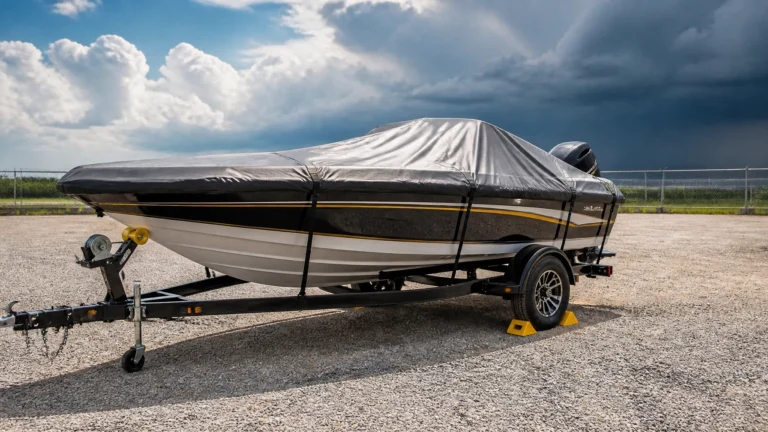
NorthStar provides open-air outdoor boat storage. Your cover is your first line of defense against sun, rain, leaves, and debris.
Choose a cover designed for your boat. It should be:
- Weather-resistant.
- Properly fitted.
- Breathable.
- Supported so water does not pool.
- Secured against wind.
- Vented when the design allows.
Avoid placing an airtight plastic sheet directly over the boat. It can trap heat and moisture.
Secure the cover with appropriate straps. Check that straps do not rub against painted surfaces or sharp edges. Inspect the cover periodically for tears, sagging, and water collection.
10. Protect Against Pests and Moisture
Louisiana’s warmth and humidity can attract pests.
Before covering the boat:
- Remove every food source.
- Vacuum crumbs and debris.
- Dry all compartments.
- Use moisture absorbers in enclosed spaces.
- Leave lockers slightly open if appropriate.
- Follow safe pest-control practices.
- Seal obvious openings without blocking necessary ventilation.
Never place unsafe chemicals or loose pest products where children, pets, or other customers could encounter them. Follow product directions and facility rules.
11. Secure the Boat and Trailer
Position the boat carefully. Leave enough room to inspect it and connect your vehicle when it is time to leave.
Complete these final steps:
- Lower or secure the engine according to manufacturer instructions.
- Chock the trailer wheels.
- Lock the coupler if the trailer remains attached.
- Use quality tie-downs.
- Secure loose straps and covers.
- Check that no gear is left outside.
- Confirm the gate is closed when you leave.
Do not block access lanes or place equipment outside your assigned area.
Take Photos and Record Maintenance
Document the boat before storage.
Take clear photos of:
- The hull and exterior.
- The engine.
- Trailer tires.
- Wheel bearings.
- Lights.
- Tie-downs.
- Any existing damage.
Record the date and details of completed maintenance. Note oil changes, filter replacements, fuel stabilizer, battery service, and repairs still needed.
This record helps you remember where you left off. It can also make spring preparation faster.
Schedule Routine Check-Ins
Boat storage is not a “set it and forget it” task.
Schedule a check-in every few weeks when practical. After heavy rain, high winds, or severe weather, inspect the boat as soon as conditions allow.
Look for:
- Water pooling under the cover.
- Torn straps or cover damage.
- Low trailer tires.
- Signs of pests.
- Moisture or mildew.
- Loose equipment.
- New exterior damage.
- Battery or fuel concerns.
A quick inspection can help you catch small problems before they become expensive repairs.
What to Look for in Boat Storage Monroe
When comparing boat storage options, evaluate the facility as carefully as you evaluate your cover and trailer.
Look for:
- Secure perimeter fencing.
- Gated access.
- Video surveillance, if offered.
- Open-air spaces that fit your boat and trailer.
- Wide lanes and room to maneuver.
- A convenient location.
- Clear access hours.
- Month-to-month leasing.
- Professional facility management.
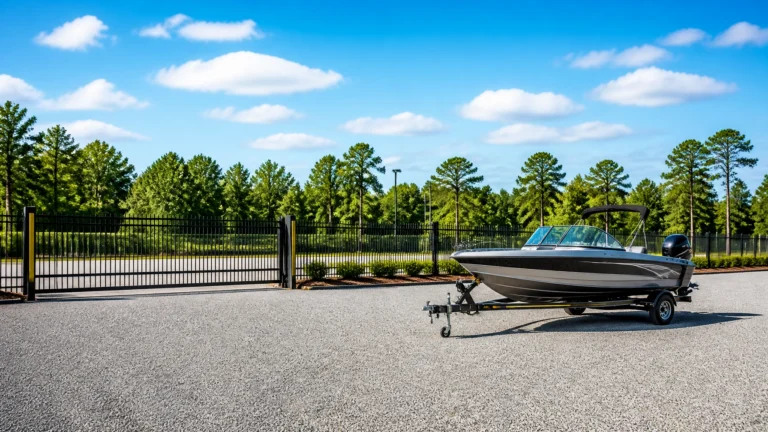
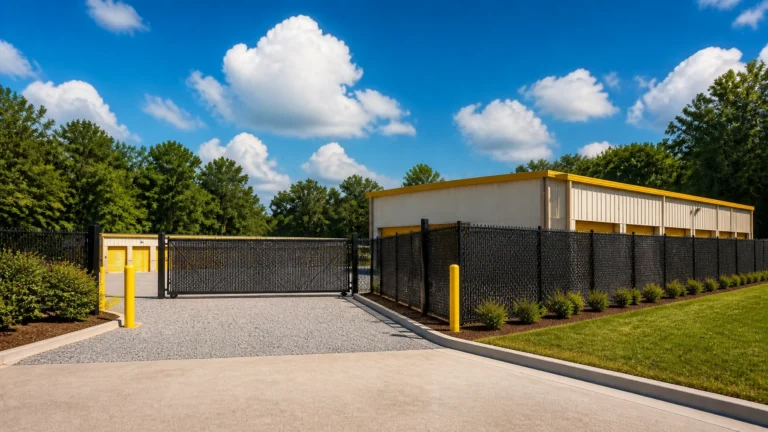
NorthStar Storage Group provides open-air outdoor boat and vehicle storage at 100 Martinez Dr., Monroe, LA 71203. Our facility features gated access, video surveillance, perimeter security measures, and flexible month-to-month rentals.
You can review our RV and boat storage guide to learn more about choosing a storage facility.
Store Your Boat with More Confidence
Off-season boat preparation does not have to feel overwhelming. Work through the checklist one step at a time. Clean and dry the boat. Service the trailer. Protect the engine, fuel system, and batteries. Use a breathable cover. Then schedule routine check-ins.
Ready to reclaim your driveway and find convenient boat trailer storage in Monroe?
Visit northstarstoragegroup.com, call (318) 433-4443, or contact NorthStar Storage Group to ask about open-air boat storage and vehicle storage options.
We are located at 100 Martinez Dr., Monroe, LA 71203. Let’s help you make your next boating season easier to start!